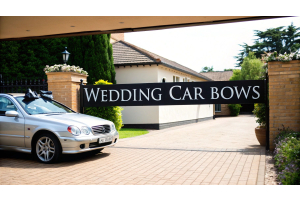
wedding car with coloured ribbons hanging from the back

Wedding Ribbons - A Small, Touch With A Big Impact
Wedding ribbons may seem like a small detail in the grand scheme of a wedding, but they carry a surprising amount of visual and symbolic power. From delicate satin bows on invitations to flowing silk accents in bouquets, ribbons weave a sense of cohesion, elegance, and personality throughout the celebration. Thoughtfully chosen, they can elevate even the simplest décor into something memorable and meaningful.
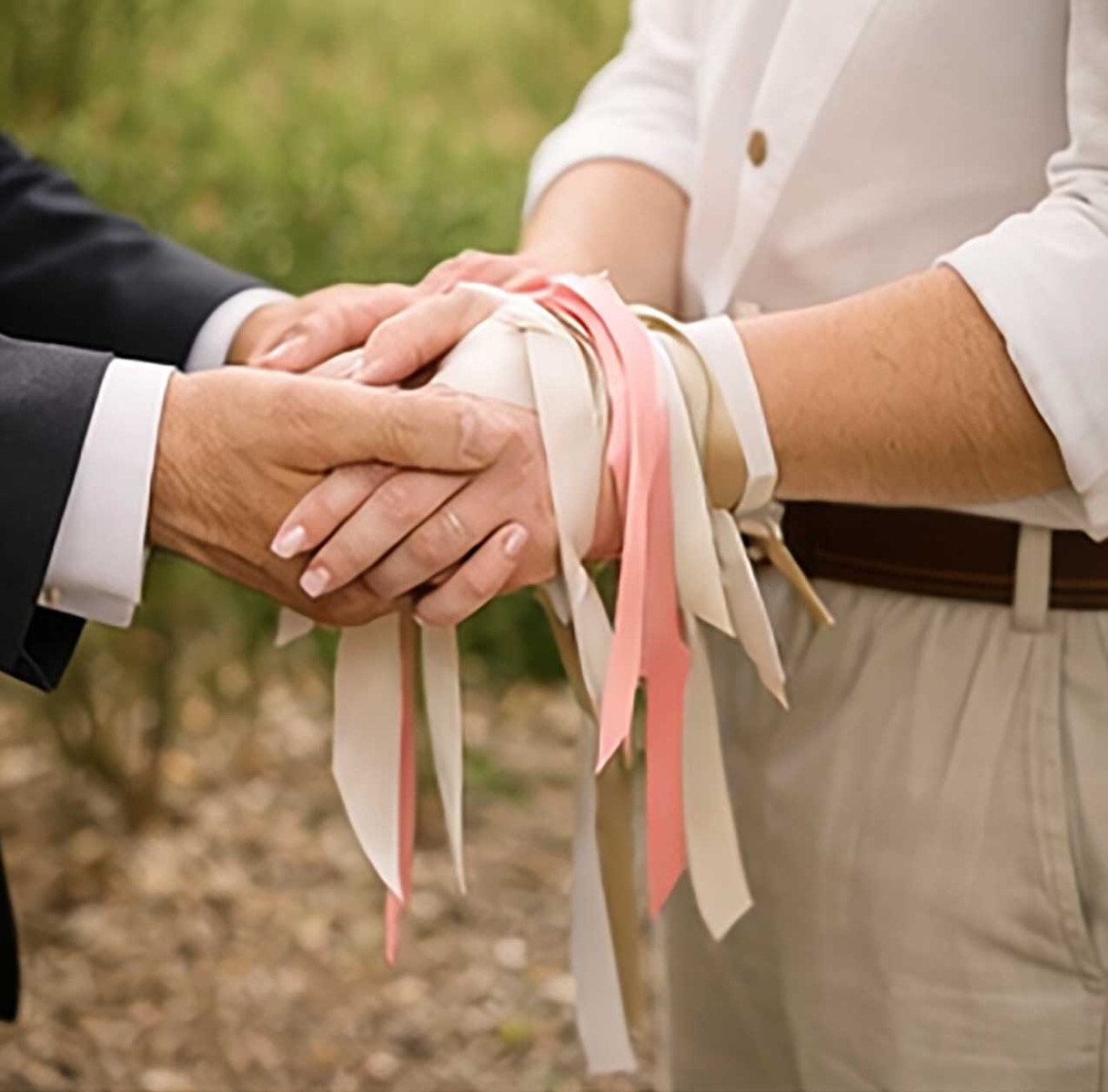
Historically, ribbons have long been associated with love, unity, and good fortune. In some cultures, they were used in handfasting ceremonies, where a couple’s hands are literally tied together with ribbon or cord to symbolize their union. This is still a popular tradition today and at Ribbons For You we supply many Celebrants with the ribbons for their handfasting ceremonies. Incorporating them into a wedding is not just about aesthetics—it’s also about storytelling.
hanfast_ceremony
Bouquets, Sashes & Stationery...
 
One of the most popular ways ribbons appear in weddings is through bridal attire. A soft sash tied around the waist of a wedding dress can add definition and a subtle pop of colour. Bridesmaids’ dresses often feature ribbon belts or accents that help unify the bridal party’s look while still allowing for individual styles. Even shoes can be adorned with ribbon ties, adding a whimsical, feminine touch that photographs beautifully.
Bouquets are another natural home for ribbons. Florists often wrap stems in silk or satin ribbon, allowing long tails to trail gracefully as the bride walks down the aisle. This movement adds a dynamic, almost ethereal quality to photos and videos. Choosing a ribbon colour that complements the flowers—or contrasts intentionally—can tie together the entire colour palette of the wedding. For a more rustic or bohemian vibe, couples might opt for frayed chiffon or hand-dyed ribbons, which bring texture and softness to the arrangement.
Stationery is yet another area where ribbons shine. Invitations wrapped in vellum and secured with a ribbon bow create an immediate sense of anticipation and luxury for guests. A simple card becomes an experience to unwrap. Ribbons can also be used in menus, and ceremony programs, subtly reinforcing the wedding’s theme. Whether the style is classic, modern, or eclectic, there’s a ribbon to match.


Wedding Car Bows - To Place Setting Enhancements


Here at Ribbons For You we also offer large handmade car bows which can be made to any size and specification of your choice. These prove to be one of our bestseller's every wedding season and can turn any vehicle into the perfect bridal carriage. 
 
Ceremony décor offers even more opportunities for creativity. Chairs can be adorned with ribbon sashes that flutter gently in the breeze, especially in outdoor settings. Arches and backdrops can be draped with cascading ribbons in varying lengths and shades, creating a dreamy, layered effect. For a more minimalist approach, a single, well-placed ribbon element—such as tying together a bundle of dried flowers—can make a striking statement without overwhelming the space.
 
Reception décor continues the story. Napkins tied with ribbon, favour boxes finished with neat bows, and even glassware marked with delicate ribbon tags all contribute to a cohesive look. For couples who enjoy DIY projects, ribbons offer a cost-effective way to personalize details. Mixing different textures—like velvet, organza, and lace—adds depth and interest without requiring elaborate materials.


place_settings
Ribbon Colours, Ribbon Wands & Sustainability
Colour choice plays a crucial role in how ribbons impact the overall aesthetic. Soft pastels evoke romance and gentleness, while bold, saturated hues bring energy and drama. Neutral tones like ivory, champagne, and taupe create a timeless elegance, especially when paired with metallic accents. Seasonal considerations can also guide choices: think rich burgundy and forest green for autumn weddings, or airy blush and sage for spring celebrations. Ever in doubt take a look at our ribbon colour pairing guide
 
Beyond décor, ribbons can also be interactive. Ribbon wands, for example, are a popular alternative to confetti. Guests wave them as the couple exits the ceremony, creating a joyful, kinetic moment that’s both photogenic and environmentally friendly. Similarly, a “ribbon guestbook” allows attendees to write messages on strips of ribbon, which are later woven or displayed as a keepsake. These ideas transform ribbons from passive decoration into active elements of the celebration.
 
Sustainability is an increasingly important consideration for modern couples, and ribbons can align with eco-conscious values. Opting for natural fibres like cotton or silk, choosing reusable materials, or sourcing from small, ethical businesses can reduce environmental impact. Some couples even repurpose ribbons after the wedding—using them in scrapbooks, home décor, or future celebrations—extending their life and sentimental value.
 

Why Are Wedding Ribbons So Necessary?

Ultimately, what makes wedding ribbons so special is their versatility. They can be subtle or bold, traditional or contemporary, luxurious or simple. They adapt to any theme, from grand ballroom affairs to intimate backyard gatherings. More importantly, they offer a way to infuse personal style into every corner of the wedding.
 
In a day filled with countless details, ribbons serve as quiet connectors, linking elements together into a cohesive whole. They remind us that beauty often lies in the small, thoughtful touches—the ones that guests may not consciously notice but will certainly feel. Whether fluttering in the breeze, tied into a perfect bow, or trailing behind a bouquet, ribbons bring movement, texture, and emotion to the celebration.
 

Frequently Asked Quetions For Wedding Ribbons

1. What are wedding ribbons used for?

Wedding ribbons are used throughout a wedding to add elegance, colour and cohesion. Common uses include decorating bouquets, tying invitations, styling chairs, wrapping favours, and adding finishing touches to cakes and venue décor.


2. What type of ribbon is best for weddings?

Double satin ribbon is one of the most popular choices for weddings due to its smooth texture and luxurious sheen on both sides. Organza ribbon is also popular for a lighter, more delicate look.


3. How can I use ribbon in wedding decorations?

Ribbons can be used to decorate chairs, pew ends, table settings, backdrops, and arches. They can be tied into bows, left to flow naturally, or layered with other materials for added texture.


4. Can ribbons be used in bridal bouquets?

Yes, ribbons are often wrapped around bouquet stems or left to trail for a romantic effect. They can match your colour scheme or add contrast for a more striking look.


5. What colours of ribbon work best for weddings?

Classic shades like ivory, white, blush pink, and champagne are always popular. However, modern weddings often incorporate bolder colours or seasonal tones to complement the overall theme.


6. How do you use ribbon on wedding invitations?

Ribbon can be used to tie invitation suites together, create bows, or add a decorative band. It adds a tactile, premium feel and enhances presentation.


7. Are ribbons suitable for wedding cars?

Yes, ribbons are commonly used to decorate wedding cars, typically across the bonnet or door handles. Satin ribbon is especially popular due to its durability and elegant finish.


8. Can wedding ribbons be reused after the event?

Many ribbons can be reused for crafts, keepsakes, or future events. High-quality ribbons like double satin maintain their appearance and structure well after use.


9. What width of ribbon should I use for weddings?

The width depends on the application. Narrow ribbons (3mm–10mm) are ideal for invitations and favours, while wider ribbons (25mm–100mm) work best for décor, cars, and large bows.


10. What is the meaning of ribbons in weddings?

Ribbons symbolise unity, love, and commitment. In some traditions, they are used in handfasting ceremonies to physically tie the couple’s hands together as a symbol of marriage.